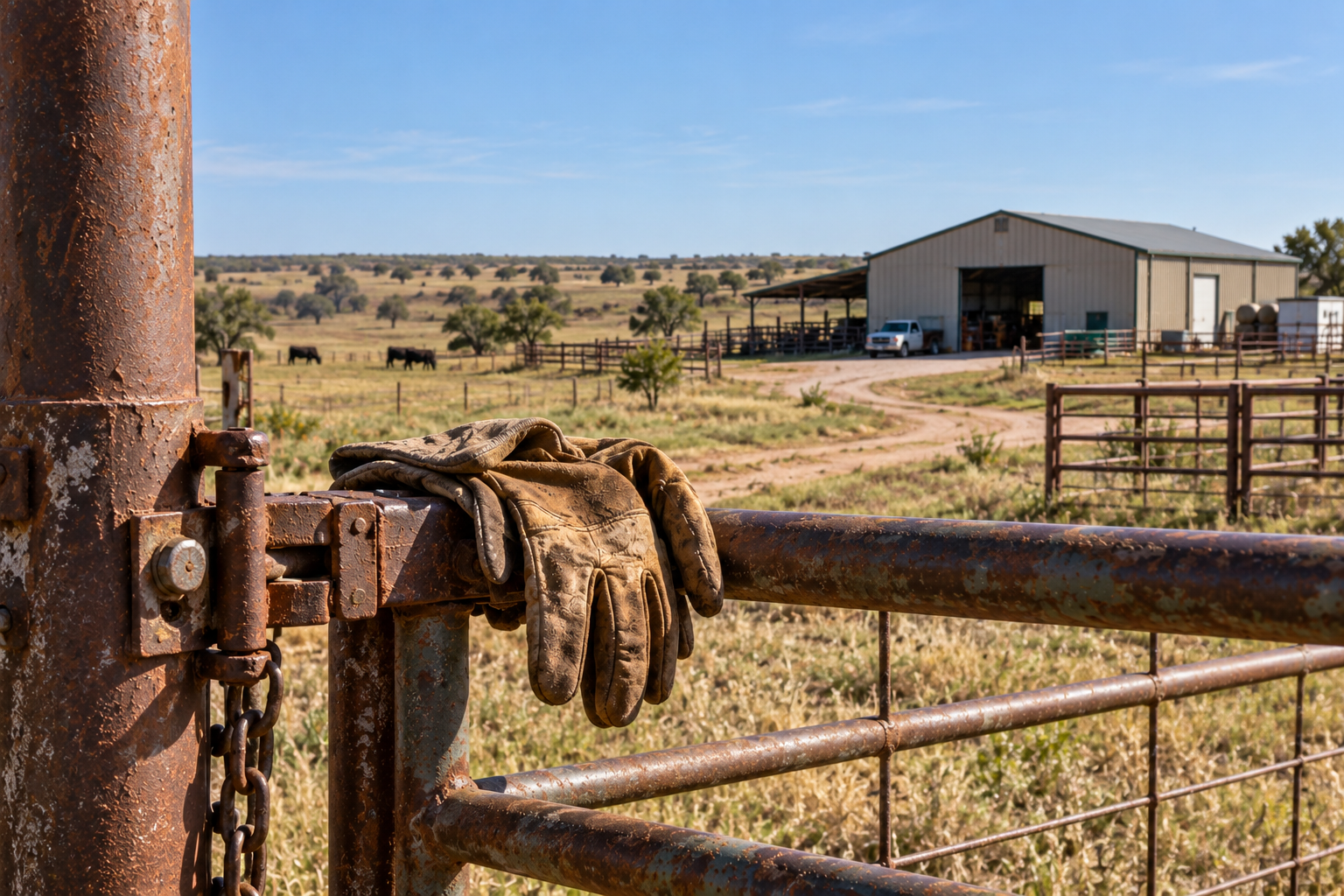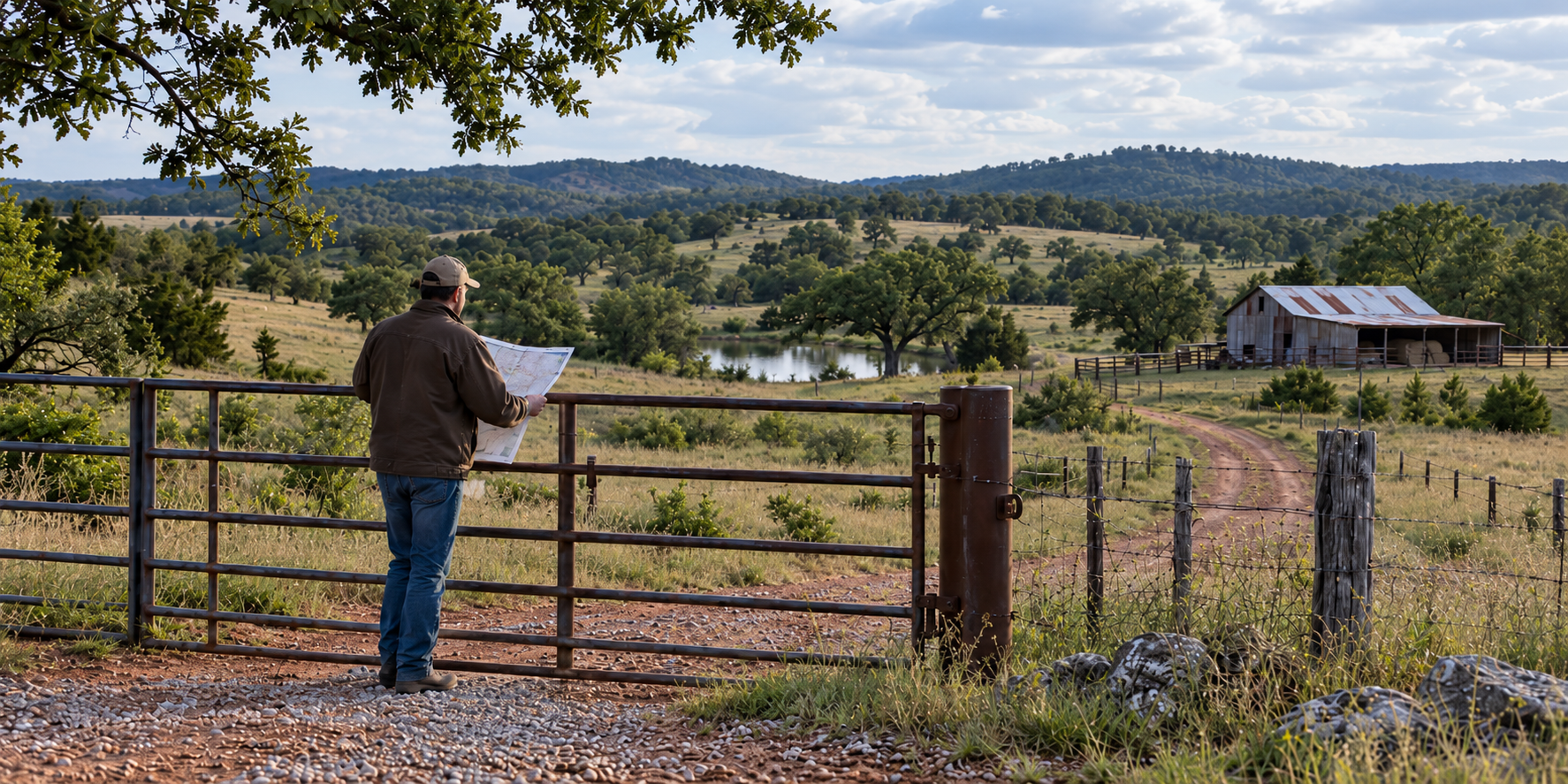
When land holds generations of memories, deciding its future is never easy.
Some decisions take longer than the paperwork. A family may own a farm or ranch for generations, yet the conversation about its future can remain unfinished for years. Someone remembers working cattle with a grandfather. Someone else remembers summers at the pond. Another family member lives three states away and is now helping pay the taxes.
The question isn't always whether the land matters. It usually matters deeply. The harder question is whether keeping it still serves the people who own it—and the land itself.
There isn't a universal moment when selling becomes the right choice. But there are signs that a family needs to take an honest look at its options, and there are better ways to begin that conversation.
The land has a history. Its future still needs a plan.
Family land can represent identity, work and continuity. Those meanings deserve respect. So do the realities of maintenance, taxes, fencing, access, insurance, leases and decisions about improvements. When no one has the time, resources or desire to manage those responsibilities, holding the property may become more stressful than meaningful.
That doesn't mean the family has failed. It means the circumstances have changed. Preserving a legacy can involve keeping the property, putting a workable management arrangement in place, transferring ownership within the family—or choosing a careful sale.
Five questions worth answering before you decide
1. Who wants to own and care for it? Ask each owner separately what they truly want. One heir may hope to ranch the property, another may want occasional family access, and a third may prefer to sell. A useful conversation begins by recognizing those differences rather than assuming everyone shares the same goal.
2. What does holding the land really require? Put the annual costs and responsibilities on paper. Include taxes, insurance, repairs, pasture or crop arrangements, boundary maintenance, debt obligations, and travel or management time. Also identify any income the property generates. An emotional decision becomes clearer when the practical picture is visible.
3. Is there a realistic succession plan? If one family member hopes to keep operating the farm or ranch, can the others be treated fairly? Can the interested owner finance a buyout without creating an unmanageable burden? Would a lease or structured ownership agreement help? These are questions to discuss with qualified legal and financial advisers, not assumptions to settle over a single family meal.
4. Are we making decisions together—or simply postponing them? Delay sometimes feels like keeping the peace. But unclear responsibilities, unpaid expenses and different expectations can deepen resentment. Agree on who will gather facts, who can make decisions, and when the family will revisit its options.
5. What would a good outcome look like ten years from now? Imagine the property with its current owners, with the next generation, or with someone new who intends to use and maintain it. Which option is financially sustainable, fair to the people involved, and consistent with the family's values?
Selling does not have to be the first—or only—option
Depending on the ownership structure and family goals, alternatives may include leasing the land, hiring professional management, transferring an interest to an operating family member, negotiating a family buyout, dividing property where legally and practically feasible, or holding it under a formal agreement. Each alternative has costs, tradeoffs and possible tax or legal consequences.
A sale deserves consideration when ownership has become fragmented, no one can realistically assume management, co-owners need liquidity, or a transition would better protect everyone involved. But an auction—or any sale method—should be evaluated only after the family understands what it wants to accomplish.
Before a sale, get the facts in order
If selling becomes a serious possibility, assemble the deed and ownership information, survey or boundary records if available, leases, mineral-rights information, known easements, improvements, water and access details, and any relevant financial records. Have an attorney confirm who has authority to sell and whether probate, trust or co-ownership issues must be resolved. A tax professional can explain the potential consequences of a transfer or sale.
Then consider how the property should reach buyers. What method of sale will be most effective for you - auction or listing? A traditional listing may suit an owner who wants flexible marketing time or negotiated terms. A professionally planned real estate auction can be worth evaluating when a defined sale date, organized marketing and competitive bidding fit the property and the owners' objectives. Neither approach guarantees a particular price, and neither is right for every situation.
Give the decision the care the property deserves
Perhaps the most useful first step is not asking, ‘Should we sell?’ but asking, ‘What are we trying to protect?’ The answer may be family relationships, financial stability, a working operation, a loved landscape—or a combination of all four.
When those priorities are clear, the choices become easier to assess. A responsible decision does not erase the years that came before it. It gives those years the respect of a thoughtful next chapter.
If your family is considering the future of farm, ranch or inherited rural property, CJ Auctions can help you evaluate whether a real estate auction belongs among your options. Start with a conversation and a property review, not a commitment to sell.