The dream of owning your own piece of land is exciting. But before you bid, make sure the property’s access, restrictions, utilities, and other details will allow you to turn that dream into reality.
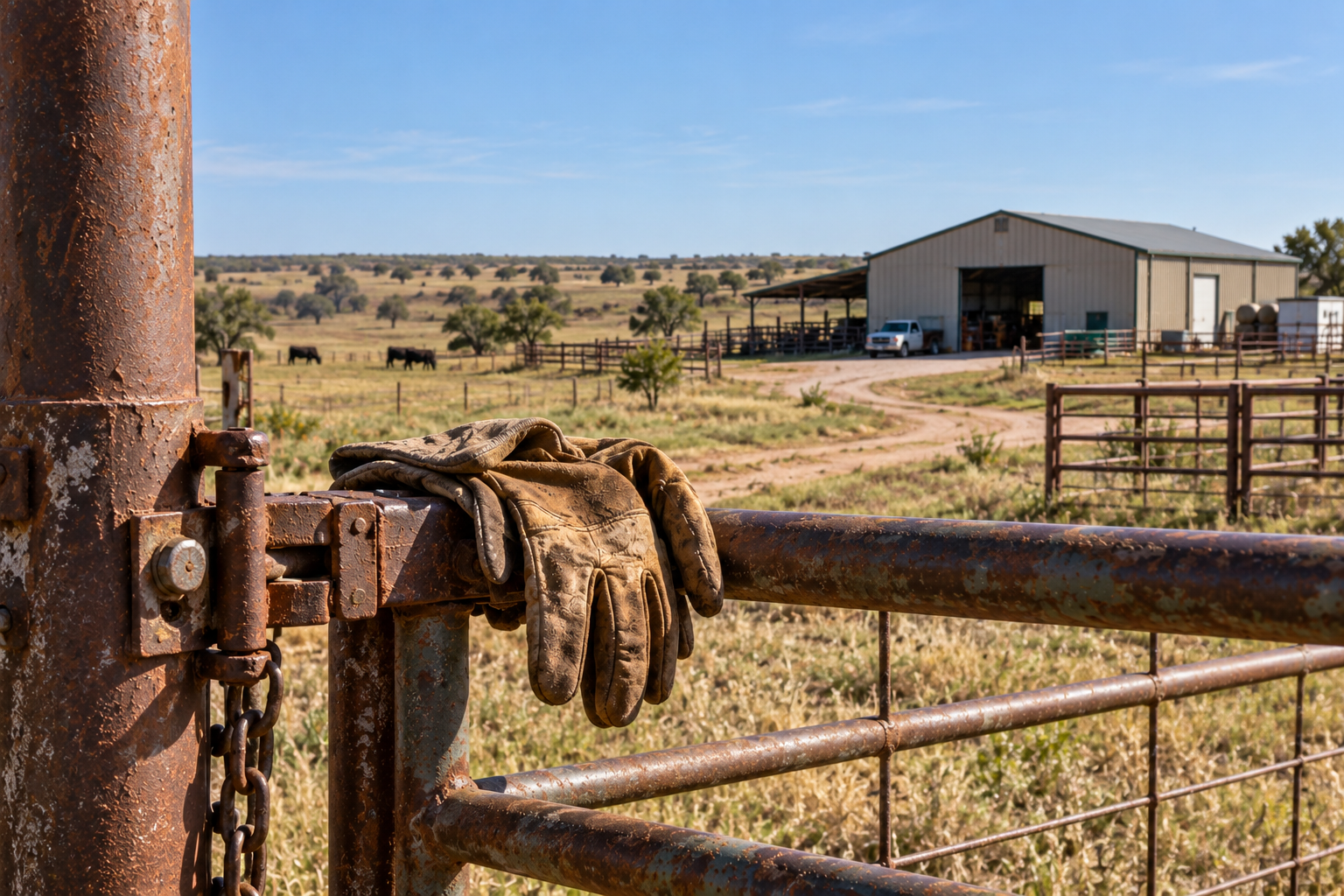
A beautiful view can inspire a dream. The details determine whether you can build it. You pull through the gate, look across the pasture and begin imagining what life could look like here. A few horses. A small cabin. Maybe a place where the kids and grandkids can gather for years to come.
That feeling matters. It is often what makes rural property so appealing. But before you buy land—especially at auction—there is one question worth answering in full: Can you actually use this property the way you hope to?
Acreage alone cannot answer it. The right purchase comes from matching your plans with the property’s legal access, permitted uses, physical conditions, available services and sale terms.
Start with your plan, not the property brochure
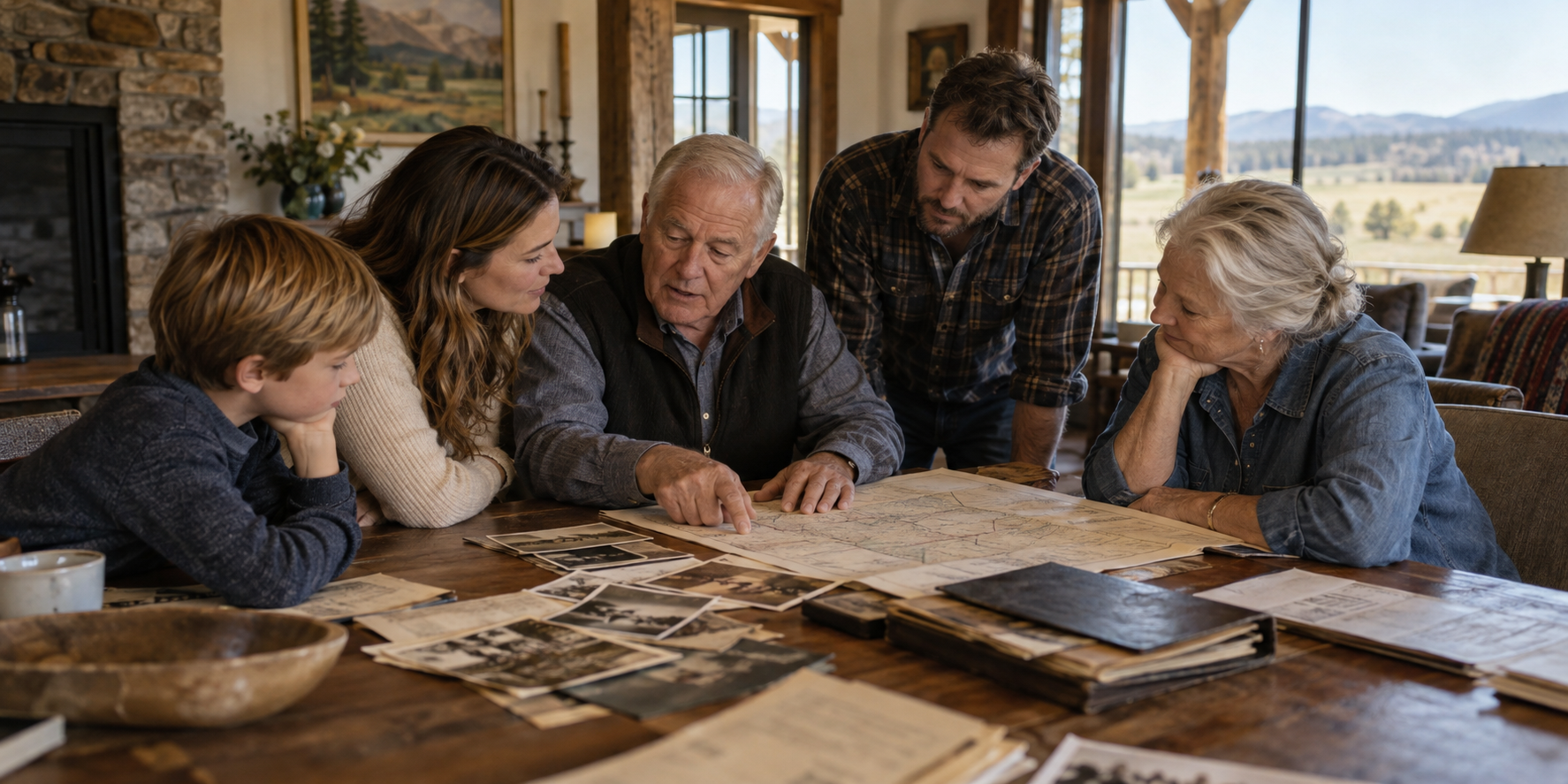
Write down what you want to do during the first year and what might matter five years later. Will you build a home, keep livestock, operate a business, hunt, lease pasture, add a pond or divide the property someday? Then separate your must-haves from things that would merely be nice.
A tract may be ideal for hunting or grazing but a poor fit for a future homesite. Another may offer attractive building ground while creating unexpected costs for water, septic or road access. The clearer your plan, the more useful your questions become.
1. Make sure you can legally get there
A driveway or worn two-track does not necessarily establish legal access. Determine whether the property fronts a public road or depends on a recorded access easement. If an easement is involved, learn where it runs, who may use it, and what maintenance obligations or restrictions apply.
Also ask whether the road is usable in wet weather and whether trailers, equipment or emergency vehicles can reach the parts of the property you intend to use. Physical access and legal access are two different questions.
2. Know what the land is allowed to become
County and municipal land-use requirements vary, and a rural mailing address does not automatically mean there are no restrictions. Depending on the location, rules may affect dwellings, short-term rentals, commercial activity, livestock, lot splits or future development.
Review recorded covenants and restrictions as well as any applicable zoning, subdivision, floodplain and permitting requirements. Confirm answers with the appropriate county or city office and qualified professionals. A neighbor’s use of land is not proof that yours will be permitted.
3. Look at the ground—not just the scenery
Walk the property where access is authorized. Study drainage, slopes, low areas, creek crossings, fences and existing improvements. A pond, wooded draw or scenic hillside can be an asset, but those same features may affect building placement, maintenance and cost.
Check available surveys, legal descriptions and boundary information. Fence lines and online mapping tools may be useful clues, but neither necessarily defines the legal property boundary. If boundaries are material to your decision, consult a licensed surveyor.
4. Check water, utilities and the real cost of your plan
“Utilities nearby” is not the same as having service available at an affordable cost. Ask providers about electrical extensions and connection requirements. For wells, septic systems, rural water access and other infrastructure, verify feasibility with the right agencies and professionals before relying on assumptions.
If you are considering farm or ranch use, investigate water sources, fencing, pasture condition, existing leases and practical equipment access. A low purchase price can become less attractive when essential improvements are added to the budget.
5. Read the title information and auction terms
Recorded easements, mineral interests, leases, encumbrances and other title matters can shape what you receive and how you may use it. Ask for available title materials and have a qualified title professional or attorney explain anything you do not understand.
Auction purchases can involve deadlines and obligations different from a conventional negotiated contract. Some CJ Auctions property terms have required a nonrefundable deposit and sale without financing or inspection contingencies. Those terms are property-specific: review the exact documents for the auction you plan to attend, including any buyer’s premium, deadlines, deposits and closing costs.
6. Ask the question that prevents disappointment
Before you bid, say your intended use out loud: “I want to build a cabin here and keep three horses.” Then ask what documents or professional checks would confirm whether that plan is realistic. Do not assume that an auction company, seller or listing description has verified every use you might imagine.
A sensible decision may require an attorney, surveyor, lender, inspector, utility provider or local permitting official. Complete the research early enough to understand the property before you become contractually committed.
Buy the land that fits your life
The best property is not always the one with the biggest view or the most acres. It is the one that supports the life or work you are hoping to build, at a cost and level of risk you understand.
Rural land should inspire possibility. Good preparation lets you pursue that possibility with confidence rather than surprises.
Considering a farm, ranch or recreational property offered through CJ Auctions? Review the property-specific documents, ask questions and complete your due diligence before bidding. The CJ Auctions team can explain the auction process and direct you to available sale information.