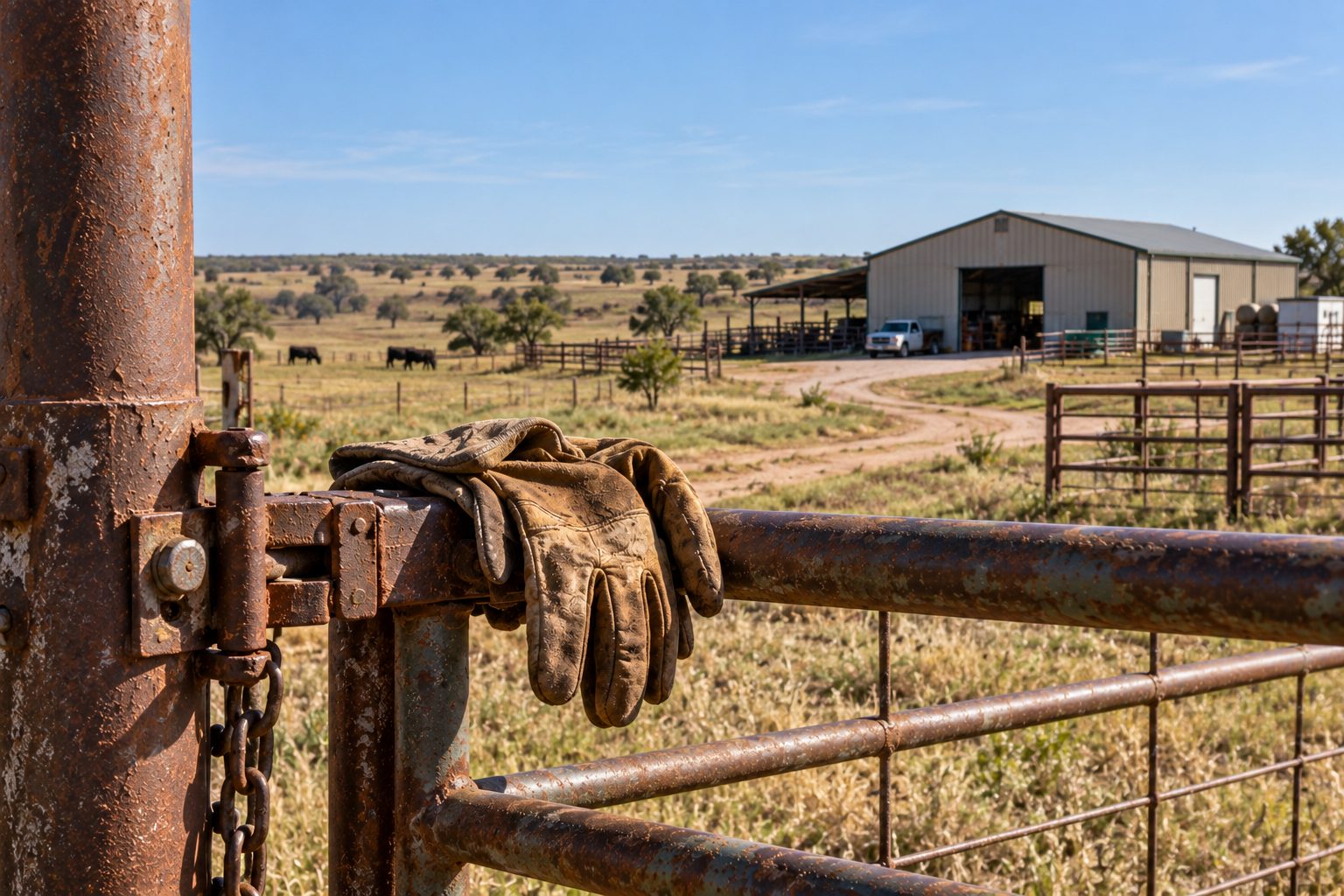
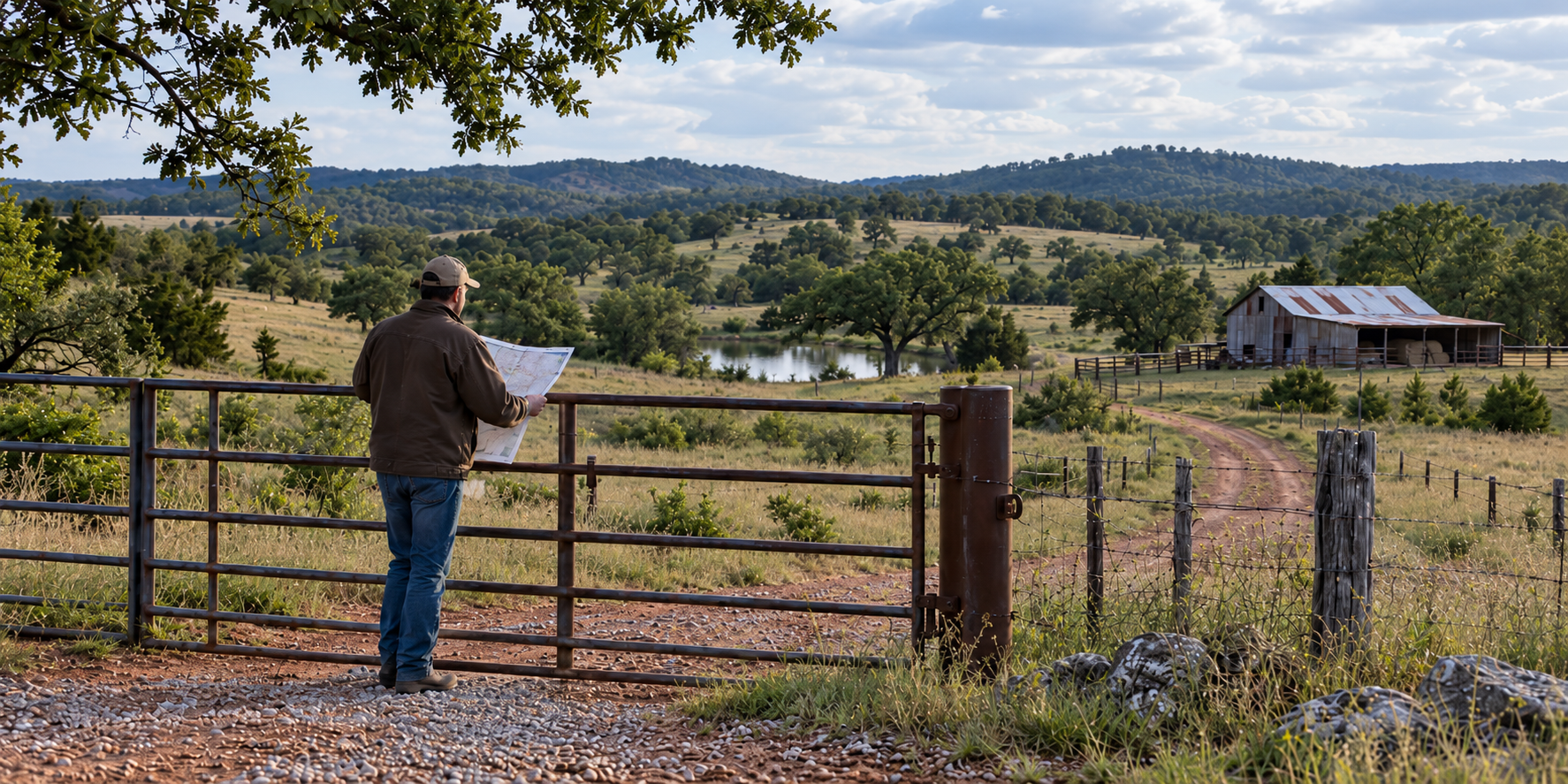
When family members share the same land but have different plans for its future, finding common ground starts with an honest conversation.
A family farm can mean different things to the people who own it. To the person who still checks the cattle, it may be a livelihood and a daily responsibility. To a sibling who moved away, it may be the place they grew up. To another heir, it may be an asset that carries taxes, repairs, and obligations they cannot manage from a distance.
None of those perspectives is necessarily wrong. The challenge begins when everyone assumes that loving the same land means wanting the same future for it.
When family members disagree about a farm or ranch, the most useful first step is not choosing between an auction and keeping the property. It is creating a fair way to understand the different priorities, establish the facts, and compare realistic options.
Start by asking what the land means to each person
Before discussing prices or timelines, ask every person involved what they hope to protect or change. One may want the land to remain a working farm. Another may want to preserve a place for family gatherings. Someone else may need access to their share of the value to pay for retirement or a major life change.
Ask each person to describe their preferred outcome and their biggest concern. Write the answers down without trying to resolve them immediately. That simple distinction—listening before negotiating—can keep a practical discussion from becoming a judgment about loyalty to the family.
Separate ownership from responsibility
A family member who runs the ranch may have invested years in repairs, equipment, and management. Another owner may have contributed to taxes or insurance without living nearby. Those contributions matter to the conversation, but they do not, by themselves, establish anyone’s legal authority to transfer the property.
Have a qualified attorney confirm how the land is titled, who owns which interests, and who can authorize decisions. Ownership through an estate, trust, business entity, or different forms of co-ownership can create different requirements. Do not assume that a majority vote—or an agreement at the kitchen table—is enough to sell.
Put one shared set of facts on the table
Family discussions can become difficult when each person is working from different numbers. Prepare a short, neutral summary that everyone can review: annual holding expenses, current income, leases, known debts, management responsibilities, and major work likely to be needed.
The summary does not need to be a complete property-sale package. Its purpose is to answer a more immediate question: What would keeping this property require of us over the next few years, and who would actually do that work?
If the family is uncertain about value, an independent appraisal or other appropriate professional assessment can help establish a common starting point. Make clear what the assessment covers and what remains unknown.
Agree on how the decision will be made
Consider a structured meeting with an agenda and a clear next step. Give each owner a chance to speak without interruption. Distinguish decisions that can be made now from questions that require legal, financial, or property-specific advice.
If emotions are running high, a neutral facilitator may help. The goal is not to force agreement in one afternoon. It is to prevent important decisions from being made by the loudest voice—or delayed indefinitely because no one wants another argument.
Compare more than two possible futures
Keeping the farm and selling the entire property are not always the only possibilities. Depending on the land and ownership arrangements, families may explore continued operation under a clear management agreement, leasing, a family buyout, a partial transfer or division where feasible, or a sale to outside buyers.
Each path raises different questions. Can one owner finance a buyout? Who will manage the place if everyone keeps an interest? Would dividing the land create access or usability problems? What tax or legal consequences could follow? Use qualified advisers to evaluate those issues before anyone makes a binding commitment.
If a sale becomes the preferred direction, then compare the available selling methods. A professionally managed real estate auction may offer a defined marketing period and a transparent bidding process. A traditional listing may better suit other priorities. Neither guarantees a result, and the right choice depends on the property, the market, and the owners’ objectives.
Leave the meeting with one clear next step
A successful first conversation does not have to end with “We are selling.” It might end with an agreement to obtain an appraisal, clarify title, price a management option, ask one heir to outline a buyout proposal, or meet again on a specific date.
Assign who will gather each piece of information and when the group will review it. Share a short written recap so the family does not have to restart the discussion from memory every time.
A good outcome should account for people as well as property
The family farm has its own history. So does every person connected to it. A responsible decision recognizes both—and allows family members to disagree without making the disagreement a measure of how much they care.
When a farm or ranch sale becomes a serious option, Eric Johnson and Ronn Cunningham at CJ Auctions can help explain whether a real estate auction fits the family’s goals. Start with the conversation, then choose the strategy.